Understanding Electrical Panel Upgrades: When Should You Consider It?
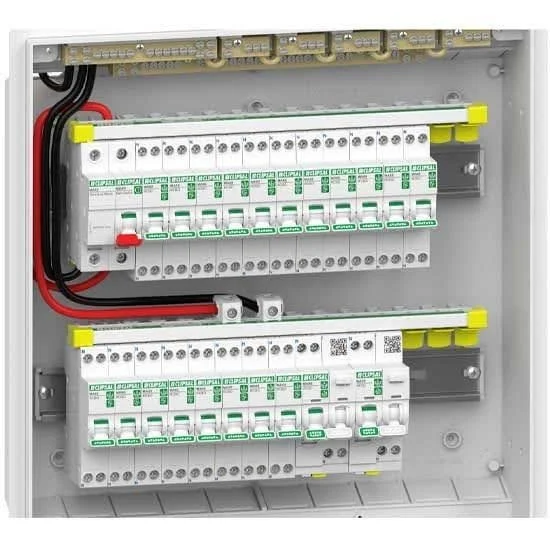
Your electrical panel, often called the switchboard, is the quiet workhorse of your home. It controls every light, appliance, and powerpoint, yet most Melbourne homeowners barely give it a second thought until something goes wrong. In our years working across Pascoe Vale, Essendon, and the wider inner north west, we have seen the same pattern repeat: by the time something feels off, the risk to your family and property is often already there.
If your home is more than two decades old, or you are loading it up with modern appliances like split systems, induction cooktops, and EV chargers, an electrical panel upgrade in Melbourne is worth serious consideration. Here is what you need to know about when to upgrade and why it matters.
What Is a Home Electrical Panel and Why Does It Matter?
Your home electrical panel receives power from the grid (or your solar system) and distributes it safely across every circuit in your property. It also houses the protective devices, like circuit breakers and Residual Current Devices (RCDs), that cut power instantly when a fault occurs.
Older panels with ceramic fuses simply were not designed to handle today's electrical loads. Many were installed back when a single fridge and a couple of lamps were considered heavy use. Now, a typical Melbourne household runs reverse-cycle aircon, multiple TVs, a dishwasher, and often a charger for an electric car. We regularly attend call-outs in older suburbs where the panel has not been touched since the 1970s, and the gap between old infrastructure and modern demand is exactly where things start to go wrong.
Warning Signs You Need a Switchboard Upgrade
So, when to upgrade electrical panel components? Watch for these telltale signs:
Frequent circuit breaker trips or blown fuses. If you are constantly resetting breakers, your panel is struggling to keep up.
Flickering or dimming lights when you switch on the kettle, microwave, or aircon.
A burning smell, scorch marks, or buzzing noises near the panel. These are urgent red flags and should never be ignored.
Ceramic fuses instead of modern circuit breakers. A clear sign of an outdated system.
No safety switches (RCDs) protecting individual circuits.
You have recently added, or plan to add, an EV charger, solar system, or large appliance.
In our experience, the burning smell is the one homeowners most often dismiss, usually mistaking it for dust on a heater. If it is coming from near the panel, treat it as urgent. Any unexpected power outage in your home that traces back to the panel is also a strong indicator that an upgrade is overdue.
Why Old Switchboards Are a Real Safety Concern
The old switchboard safety risks found in Melbourne homes are not just theoretical. Switchboards installed before the 1980s often contain asbestos backing panels, which pose a serious health hazard if disturbed. Ceramic fuses can crack, overheat, and even become live, creating both fire and electrocution risks.
Without modern RCDs, your system also lacks the ability to cut power within milliseconds when someone comes into contact with electricity. That fraction of a second can be the difference between a harmless shock and a tragedy. We have seen plenty of period homes across the inner north where the original board is still in service, and almost without exception, those upgrades reveal cracked fuse holders or scorched wiring once we open the panel.
Compliance and Melbourne's Switchboard Regulations
Beyond safety, there are legal points to think about. Under the Electrical Safety Act, regulators including Energy Safe Victoria expect homes to meet current Australian Standards (AS/NZS 3000). Anyone renovating, selling, or adding significant electrical load needs to ensure their system is compliant.
Familiarising yourself with Melbourne switchboard regulations is a smart first step, but the practical side is best handled by a licensed local electrician who deals with these requirements every day and knows what your specific property needs to pass muster.
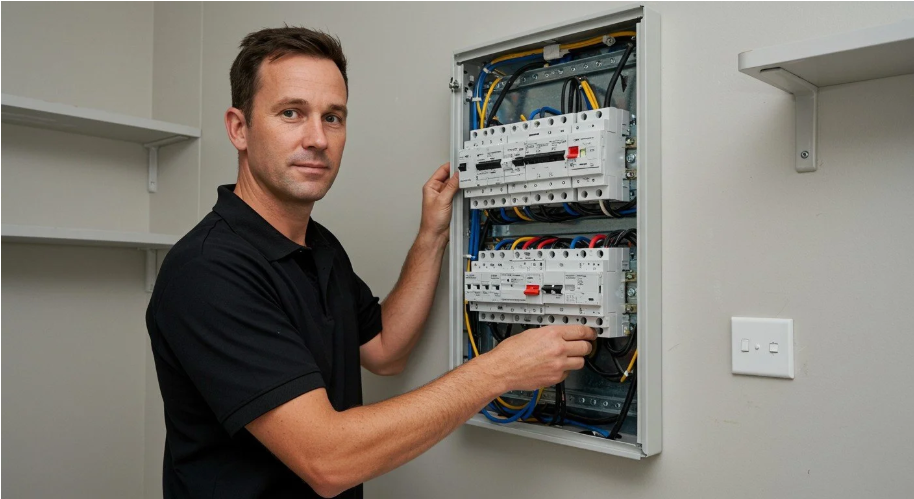
Benefits of Upgrading Your Electrical Panel
A modern panel does far more than just keep you compliant. The upside includes:
Improved safety through RCDs and modern circuit breakers
Reliable power for high-draw appliances without nuisance trips
Capacity for the future, including solar, batteries, and EV chargers
Lower energy waste thanks to smarter power distribution
Higher property value, especially for buyers wary of older electrical systems
For most Melbourne homes, a residential switchboard upgrade is completed in a single day, with minimal disruption.
How to Plan Your Switchboard Upgrade in Melbourne
Start with a professional safety inspection. A qualified electrician will assess your existing panel, check your wiring, and recommend whether a repair, partial upgrade, or full replacement is the best path forward. Three-phase upgrades may be worth considering if your household runs heavy loads or you are planning major additions like an EV charger and ducted aircon together.
Always choose a licensed, insured local who provides transparent quotes and clear timelines. In our experience, quick-fix patch jobs on outdated systems rarely solve the underlying issue and often cost more in the long run when the panel has to come out anyway.
Ready to Upgrade Your Switchboard?
If you have noticed any of the warning signs above, or your home is simply due for a check, do not wait for a fault to force the decision. Melbourne Wiring Services is your trusted local team for safe, compliant, and affordable switchboard upgrades across the inner north west and beyond. We are fully licensed, A-Grade certified, and insured, and we have been looking after Melbourne homes for over a decade.

Get in touch with Melbourne Wiring Services today for an obligation-free quote and inspection. Call us on 1300 746 979 or send through an enquiry, and our licensed sparkies will help you get your home safe, compliant, and ready for the future.