Understanding Circuit Breakers: How They Protect Your Melbourne Home
About Melbourne Wiring Services
Melbourne Wiring Services is a locally owned electrical company servicing Melbourne’s Inner North West Suburbs. Our team of fully licensed and insured electricians has extensive experience in switchboard upgrades, safety switch installations, and residential fault finding. All work is completed in accordance with Australian Standards AS/NZS 3000 and Victorian electrical safety regulations.
Your home's electrical system quietly powers everything from your morning coffee to your evening entertainment, yet most homeowners rarely think about what protects them when things go wrong. At the heart of your electrical safety sits an unsung hero: the circuit breaker. Knowing how these devices work helps you spot potential dangers and keep your home safe.
What Is a Circuit Breaker?
A circuit breaker is an automatic electrical safety switch that protects your home's wiring and appliances from damage caused by excess current. Unlike the old ceramic fuses that once dominated Australian homes, modern circuit breakers don't need replacing after they trip. They simply reset with the flick of a switch, making them both convenient and cost-effective.
Think of a circuit breaker as a vigilant guardian that constantly monitors the flow of electricity through your circuits. When it detects something wrong, whether that's an overload or a dangerous short circuit, it immediately cuts the power to prevent damage or fire.
How Do Circuit Breakers Work?
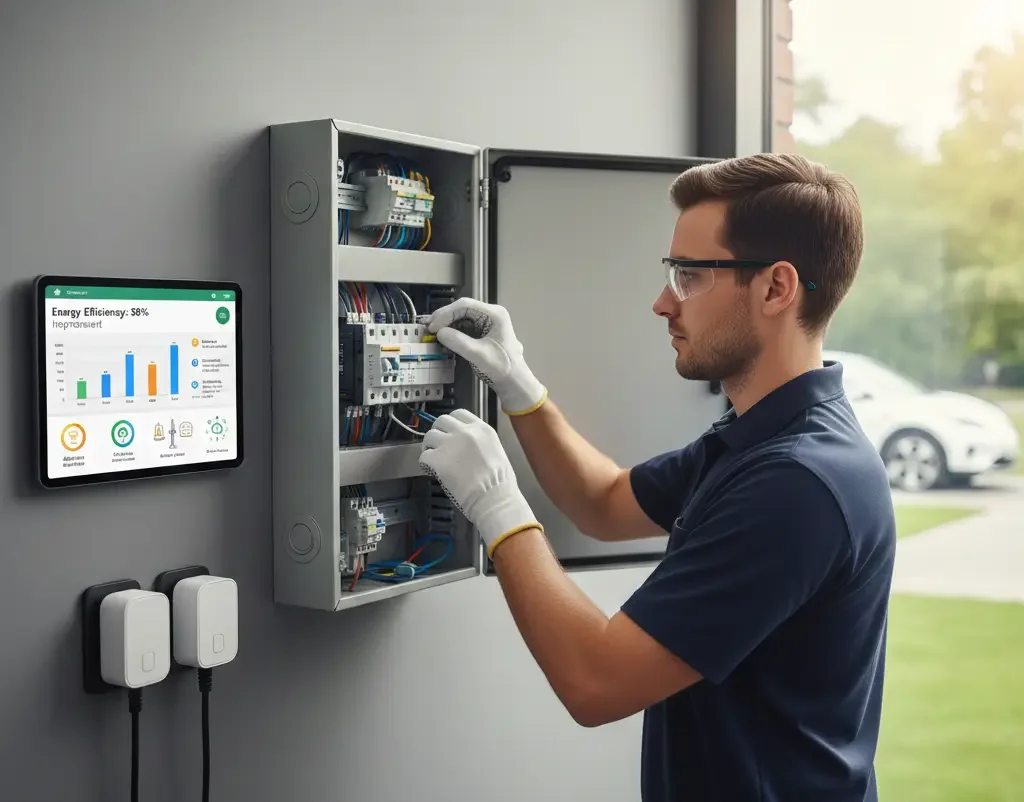
The functionality of circuit breakers relies on elegant yet simple mechanisms. Most residential circuit breakers use two main methods to detect problems: thermal and magnetic protection.
Thermal Protection: Inside the breaker sits a bimetallic strip made from two different metals bonded together. When excessive current flows through the circuit, the strip heats up and bends. This bending action triggers the trip mechanism, breaking the circuit and stopping the flow of electricity.
Magnetic Protection: For more sudden events like short circuits, where current spikes dramatically in milliseconds, the magnetic component responds instantly. A solenoid (an electromagnetic coil) creates a magnetic field when current flows through it. During a short circuit, the massive current surge generates a powerful magnetic field that physically pulls the trip mechanism, disconnecting the circuit immediately.
This dual-protection system keeps your home safe from both gradual overloads and sudden electrical faults.
Common Types of Circuit Breakers in Melbourne Homes
Australian homes typically feature several types of circuit breakers, each serving a specific protective function.
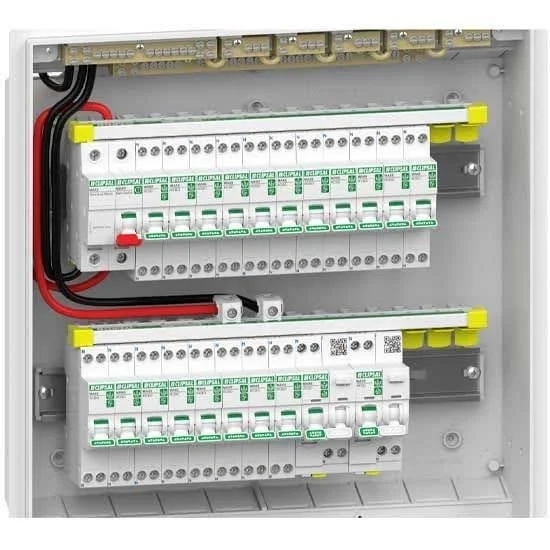
Miniature Circuit Breakers (MCBs): These compact breakers protect individual circuits throughout your home. They're rated for currents up to 100A and come in various configurations. You'll find them protecting lighting circuits, power points, and appliances. MCBs feature a white reset switch and are the workhorses of residential electrical protection.
Residual Current Devices (RCDs): Often called safety switches, RCDs are essential for personal safety. They detect tiny imbalances in electrical current that show electricity is flowing through an unintended path, such as through a person or water. RCDs react in milliseconds, disconnecting power before serious injury can occur. Australian electrical standards now require RCDs on all power point and lighting circuits in homes.
Moulded Case Circuit Breakers (MCCBs): For larger homes or properties with higher electrical demands, MCCBs handle currents up to 1000A. These robust breakers protect main circuits and heavy-duty equipment like air conditioning systems or pool pumps.
Ground Fault Circuit Interrupters (GFCIs): While similar to RCDs, GFCIs specifically protect against ground faults and are typically installed in wet areas like bathrooms, kitchens, and outdoor locations where water and electricity might meet.
All circuit protection in Victorian homes must comply with regulations set by Energy Safe Victoria. Since 2007, Australian wiring rules require RCD protection on all power and lighting circuits in new homes and major renovations. If your switchboard does not meet these standards, you may be non-compliant and at higher risk of electrical hazards.
Why Circuit Breakers Are Essential for Home Safety
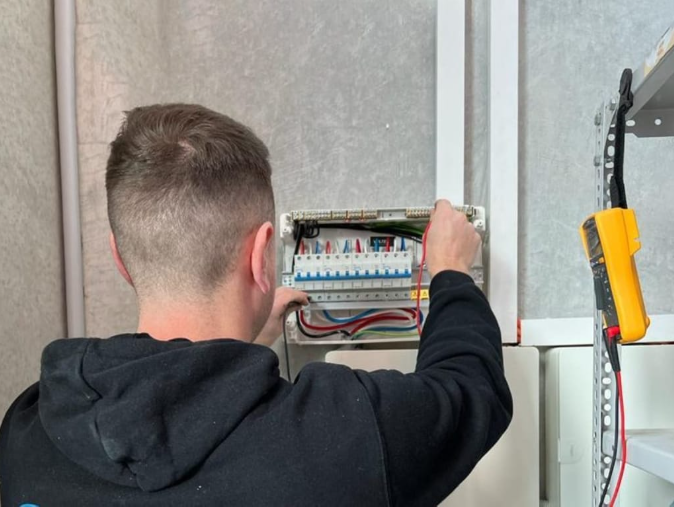
Circuit breakers serve multiple critical functions that keep your Melbourne home safe and operational.
Fire Prevention: Electrical faults are a leading cause of house fires in Australia. When wiring becomes overloaded or damaged, it heats up rapidly. Without circuit breakers to interrupt the current flow, overheated wires can ignite surrounding materials. The circuit breaker's ability to detect and stop excessive current before dangerous temperatures are reached is your first line of defence against electrical fires.
Appliance Protection: Modern homes are filled with expensive electronics and appliances. Power surges and circuit faults can destroy sensitive equipment in seconds. By cutting power the moment a problem occurs, circuit breakers save you from costly replacements and repairs.
Personal Safety: Electric shock is a serious risk in any home. RCDs and safety switches detect when current is flowing through an unintended path and disconnect power almost instantaneously. This rapid response can be the difference between a minor shock and a fatal accident.
System Reliability: Circuit breakers isolate problems to specific circuits. When one circuit trips, the rest of your home continues to function normally. This design helps you quickly identify where problems exist and lets electricians diagnose issues efficiently.
Signs Your Circuit Breakers Need Attention
While circuit breakers are designed to last for decades, several warning signs show it's time to call a licensed electrician.
Frequent Tripping: If the same breaker trips repeatedly, your circuit is either overloaded or there's a fault in the wiring. Don't keep resetting it. This is your circuit breaker telling you something needs investigation.
For example, we recently attended a home in Brunswick where a kitchen power circuit kept tripping whenever the kettle and microwave were used together. The issue was not the breaker itself but an overloaded circuit that required redistribution of loads and an upgrade to the switchboard. Situations like this are common in older Melbourne homes that were not designed for today’s appliance usage.
Breakers That Won't Reset: A breaker that immediately trips again after resetting means there's a serious problem, possibly a short circuit or ground fault. Never attempt to force a breaker to stay on or bypass it.
Warm or Hot Breaker Panel: Circuit breaker panels should feel cool or slightly warm to the touch. If yours feels hot, or if you notice burning smells or discolouration, turn off power at the main switch and contact an emergency electrician immediately.
Older Ceramic Fuse Switchboards: If your Melbourne home still uses ceramic fuses instead of modern circuit breakers, you're living with outdated safety technology. These old systems lack the protection features of modern switchboards and don't comply with current Australian electrical standards.
No Safety Switches: Homes without RCD safety switches are dangerous. If your switchboard lacks these essential protective devices, you need an urgent upgrade to meet compliance requirements and protect your family.
The Difference Between Circuit Breakers and Safety Switches
Many homeowners confuse circuit breakers with safety switches, but they serve different protective functions. Circuit breakers (MCBs) protect your wiring and appliances from overloads and short circuits. They detect when too much current flows through a circuit and shut it down to prevent fire and equipment damage.
Safety switches (RCDs) protect people from electric shock. They monitor the balance of current flowing in and out of a circuit. If even a tiny amount of current escapes, showing it might be flowing through a person, the RCD cuts power in 0.03 seconds.
Modern Melbourne homes need both types of protection working together for complete electrical safety.
Maintaining Your Circuit Breaker System
Regular maintenance keeps your electrical protection system working reliably. Test your RCD safety switches quarterly by pressing the test button. The switch should trip immediately. If it doesn't, contact a licensed electrician straight away.
Have your switchboard inspected every few years, especially if your home was built before 1990. Older systems may not provide adequate protection for modern electrical loads and could benefit from an upgrade.
Never attempt DIY repairs on your switchboard or circuit breakers. Electrical work must be performed by licensed electricians to ensure safety and compliance with Australian standards.
Important: Never remove a switchboard cover or attempt to replace a circuit breaker yourself. In Victoria, electrical work must legally be carried out by a licensed electrician. DIY electrical repairs are illegal, unsafe, and may void your home insurance.
When to Consider a Switchboard Upgrade
If your Melbourne home has any of these issues, it's time to consider a switchboard upgrade: flickering lights when appliances turn on, insufficient power points leading to overuse of power boards, plans to add major appliances like air conditioning or EV chargers, or you're undertaking home renovations.
Modern switchboards with properly rated circuit breakers and safety switches not only protect your family but also add value to your property and ensure compliance with current electrical regulations.
Protect Your Melbourne Home with Professional Electrical Services
Circuit breakers are the silent guardians of your home's electrical system, working around the clock to prevent fires, protect expensive appliances, and keep your family safe from electric shock. Knowing how they work and recognising when they need attention helps you maintain a safe home environment.
If you're concerned about your switchboard, experiencing frequent trips, or living with outdated ceramic fuses, don't wait for a serious problem to develop. Melbourne Wiring Services specialises in switchboard upgrades, circuit breaker replacements, and safety switch installations across Melbourne's Inner North West Suburbs and beyond.
Our licensed electricians provide thorough safety inspections, honest advice, and professional installations that comply with all Australian electrical standards. We're punctual, knowledgeable, and committed to delivering exceptional workmanship from your first call to final handover.

Ready to ensure your home's electrical safety?Contact Melbourne Wiring Services today on 1300 746 979 for an obligation-free quote and switchboard inspection. Your home's safety is too important to leave to chance.