Complete Guide to Smart Home Electrical Setup in Melbourne: What Every Homeowner Needs to Know
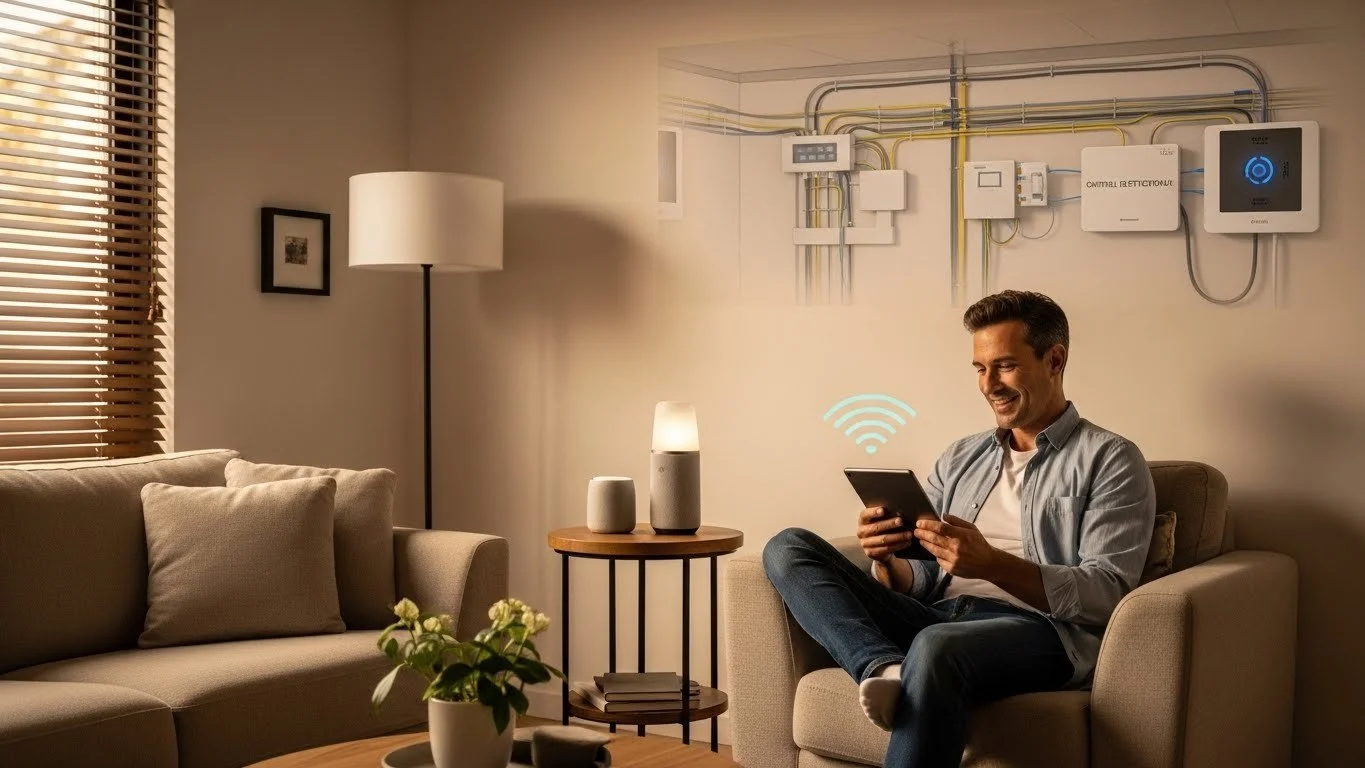
Smart home technology has become a practical upgrade for many Melbourne households, offering better control, comfort and energy use. The main question people ask is whether the setup is complicated. The short answer is that a well-planned design, supported by a qualified home automation electrician, makes the process straightforward. A proper strategy for smart home electrical installation Melbourne ensures your system works reliably, supports current devices and can handle future upgrades.
Why Smart Home Electrical Planning Matters
Modern automation relies on solid wiring, a stable power supply and compatible devices. Many homeowners add gadgets over time, only to discover later that their wiring or switchboard cannot support the setup. Planning early helps avoid rework, reduces installation hassles and keeps your home safe.
A professional home automation electrician evaluates your wiring, switchboard capacity, Wi-Fi coverage and safety switch condition before any equipment is added. This prevents overloads, avoids signal interference and creates a consistent user experience.
Key Components of a Smart Home Electrical Setup
1. Smart Lighting
Smart lighting is often the first upgrade. Lights can be controlled through apps, voice assistants or schedules. You can dim or switch lights on and off remotely, set scenes, or automate outdoor lighting at sunset. Hardwired smart switches typically provide better reliability compared to bulbs alone.
2. Smart Power Points
Smart outlets allow you to manage appliances remotely. They are ideal for heaters, fans, entertainment systems or anything you want connected to timers. Choosing high-quality devices is important for safety and long-term use.
3. Security and Entry Systems
Video doorbells, smart locks, sensors and cameras help improve household security. Hardwired systems are preferred because they provide stable power and sharper performance than battery-only models. Cabling must be planned early, especially if walls need to be accessed.
4. Smart Heating and Cooling
Melbourne’s weather changes quickly, so smart thermostats and zoning systems are popular. They help you manage heating and cooling more efficiently. Some models integrate with your lighting and occupancy sensors.
5. Home Entertainment
Smart TV setups, whole-home audio and cinema rooms require structured cabling. Running HDMI, ethernet and speaker cables behind walls ensures a clean, reliable setup that avoids messy visible wires.
6. Solar, Batteries and EV Chargers
Many households in Melbourne now combine smart energy management with solar. EV chargers may need switchboard upgrades or dedicated circuits. Smart energy monitors also help track electricity use and automate charging during cheaper tariff periods.
Planning Your Smart Home: What to Consider
Evaluate Your Current Electrical System
Before any equipment is installed, check if the switchboard is up to standard. Older homes may lack the wiring needed to support large automation systems. A licensed electrician ensures that circuits, safety switches and load capacities comply with Victorian regulations.
Consider Wi-Fi and Network Coverage
A smart home is only as good as its network stability. Make sure your modem and router are placed in a central area. Larger homes may require mesh network systems to avoid weak signal zones.
Think Long Term
Automation is not only about gadgets you want today. Think about what you may add later, such as smart blinds, additional cameras or expanded lighting control. Futureproof cabling helps avoid major wall works later.
Ensure Device Compatibility
Not all smart products work smoothly together. Choose systems that integrate well with common platforms like Apple Home, Google Home and Amazon Alexa. Using products from the same ecosystem keeps your controls simple.
Work With a Licensed Expert
A professional ensures the wiring meets Australian standards and that every component is installed with safety in mind. This is especially important for switchboard work, cabling behind walls and high-load devices such as EV chargers.
Steps Involved in a Smart Home Electrical Installation
Step 1: Consultation
Your installer discusses your needs, preferred platforms and home layout.
Step 2: Site Inspection
Your wiring, switchboard and internet coverage are checked.
Step 3: Design Plan
A detailed plan is created outlining circuits, device locations, wiring paths and any upgrades needed.
Step 4: Installation
Cabling, switchboard work, devices and controllers are added. A qualified professional ensures your smart home electrical installation in Melbourne is safe and compliant.
Step 5: Testing and Setup
All devices are configured and linked to your chosen automation platform.
Step 6: Handover and Support
You receive guidance on using your system and maintaining its performance.
Benefits of a Properly Designed Smart Home System
Improved Energy Efficiency
Smart thermostats, automated lighting and energy monitors help reduce unnecessary power use.
Convenience
You can control your home from your phone, schedule routines or operate devices hands-free.
Enhanced Safety
From automated exterior lighting to integrated security systems, automation supports safer living.
Better Home Value
Quality installations can make your property more appealing to buyers.
Common Mistakes to Avoid
Relying only on Wi-Fi devices without proper cabling
Buying products before checking compatibility
Skipping a switchboard upgrade when it is needed
Using cheap devices that fail quickly
Attempting DIY installations that require licensed expertise
If you want advice from local professionals, the friendly team at Melbourne Wiring Services can assist with planning and recommending suitable options for your home.
FAQs
-
Start with an assessment of your wiring, switchboard and network coverage. This helps determine what upgrades you need before adding devices.
-
Yes. Many older homes in Melbourne can be upgraded with additional wiring, switchboard improvements and better networking equipment.
-
Not usually. Many systems connect through a central platform like Google Home, Apple Home or Alexa, keeping everything easy to control.
-
Wired devices often give more stability and reliability, especially for lighting, security and entertainment systems.
-
Costs vary based on the number of devices, cabling requirements and any electrical upgrades. A licensed installer will provide a detailed quote.
The Way Forward
Ready to upgrade your home with a complete automation system? Contact Melbourne Wiring Services today to book a licensed expert for your full electrical and smart home installation.