Smart Home Electrical Installations: How to Make Your Home More Energy Efficient
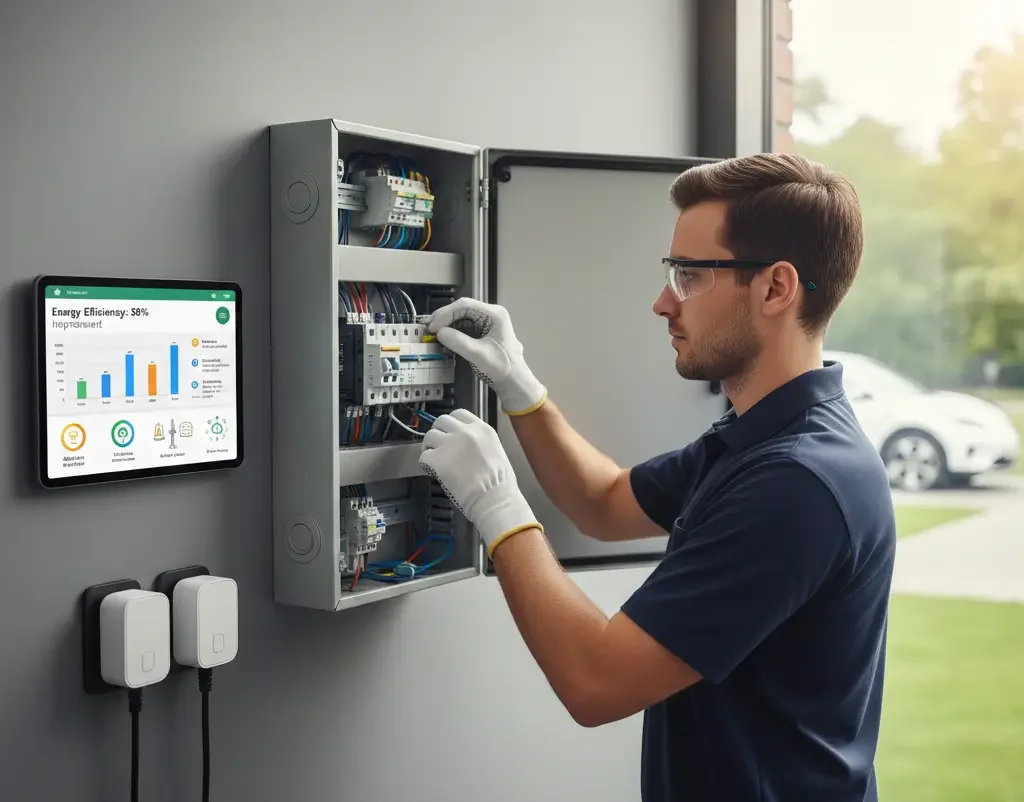
Smart home electrical installations can reduce household electricity consumption by up to 30% by automating lighting, heating, cooling, and appliance usage. For Melbourne homeowners facing rising energy prices, smart automation offers a practical way to lower power bills while improving comfort and convenience. By integrating intelligent systems that respond to occupancy, daylight, and energy tariffs, your home can operate more efficiently without requiring constant manual control.
What Are Smart Home Electrical Installations?
Smart home electrical installations involve integrating intelligent devices and automation systems throughout your property. These systems connect through your home network, allowing you to control lighting, climate, appliances, and security from your smartphone, tablet, or voice assistant.
Unlike traditional electrical setups, smart home wiring solutions in Melbourne are designed to communicate with each other. Your lighting can respond to natural daylight levels, your heating can adjust based on occupancy patterns, and your appliances can operate during off-peak electricity periods. This coordination is what makes smart homes genuinely energy-efficient.
The technology relies on a combination of sensors, smart switches, programmable controllers, and wireless connectivity. When properly installed by a qualified electrician, these components work seamlessly to optimise your home's energy consumption without sacrificing comfort or convenience.
The Energy Efficiency Benefits of Smart Home Technology
Australian households using integrated smart home systems can reduce their electricity consumption by over 30%, according to recent studies. This significant reduction comes from several key features that work together to eliminate energy waste.
Smart Lighting Systems
Smart lighting represents one of the easiest entry points into home automation. LED downlights paired with smart controls use up to 85% less energy than traditional halogen bulbs. Motion sensors ensure lights only operate when rooms are occupied, while dimming capabilities allow you to use only the light you need.
Automated schedules mean your outdoor security lighting activates at sunset and deactivates at sunrise, and interior lights adjust throughout the day to complement natural daylight. Over time, these small efficiencies add up to substantial savings on your electricity bill.
Intelligent Climate Control
Melbourne's unpredictable weather patterns make efficient heating and cooling particularly valuable. Smart thermostats learn your routine and preferences, automatically adjusting temperatures when you're away or asleep. Zone control systems heat or cool only the rooms you're using, rather than conditioning the entire home.
Some advanced systems integrate with weather forecasts, pre-cooling your home before a heatwave or reducing heating when milder weather is expected. This proactive approach keeps you comfortable while minimising energy waste.
Smart Power Management
Phantom power drain occurs when devices continue drawing electricity even when switched off. Smart power points eliminate this waste by completely cutting power to devices when they're not in use. You can schedule appliances like pool pumps, dishwashers, and washing machines to operate during off-peak periods when electricity rates are lower.
Energy monitoring features give you real-time visibility into which appliances consume the most power, helping you identify opportunities for further savings.

Key Smart Home Components for Energy Efficiency
Automated Lighting Control
Beyond basic smart bulbs, comprehensive lighting automation includes hardwired smart switches that deliver more reliable performance than battery-powered alternatives. These switches integrate with your existing wiring infrastructure, offering centralised control over all your home's lighting.
Scene creation allows you to program specific lighting configurations for different activities. Your "movie mode" might dim the lounge room lights while brightening pathway lighting for safety, all optimised for minimal energy use.
Smart Appliance Integration
Modern appliances with smart connectivity can be programmed to operate during the most cost-effective periods. Your hot water system can heat during off-peak times, your washing machine can delay its cycle until electricity rates drop, and your pool equipment can adjust its schedule based on weather conditions.
This automation happens in the background, so you get the convenience without needing to manually manage each device.
Solar and Battery Integration
For homes with solar panels, smart energy management systems maximise self-consumption by automatically activating high-energy appliances when your panels are generating excess power. Battery storage systems can be programmed to charge during sunny periods and discharge during peak evening rates, further reducing your reliance on grid electricity.
Home Security and Safety
While primarily focused on security, smart CCTV systems and sensor lighting also help with energy efficiency. Motion-activated exterior lighting ensures your property is well-lit when needed without leaving lights burning all night. Smart locks and video doorbells reduce the need for constantly illuminated entry areas.
Planning Your Smart Home Installation
Successful smart home electrical installation in Melbourne starts with proper planning. Before purchasing any devices, assess your home's current electrical infrastructure.
Electrical System Assessment
Older homes may require switchboard upgrades to safely support smart home technology. A licensed electrician should evaluate your wiring, circuit capacity, and safety switch condition to ensure your system can handle the additional load of connected devices.
In Victoria, all electrical work must comply with regulations enforced by Energy Safe Victoria and the requirements of Standards Australia. Engaging a licensed electrician ensures your smart home installation meets AS/NZS 3000 wiring rules and current safety legislation, protecting both your property and insurance coverage.
Network Infrastructure
Reliable Wi-Fi coverage throughout your home is necessary for smart home performance. Larger properties or homes with thick walls may need mesh network systems to eliminate dead zones. Ethernet cabling to key areas gives you more stable connectivity for devices that require constant connection.
Device Compatibility
Choosing devices that work together prevents frustrating compatibility issues down the track. Popular ecosystems like Google Home, Apple HomeKit, and Amazon Alexa support a broad range of devices, making it easier to expand your system over time.
Professional Installation
While some smart devices are DIY-friendly, comprehensive home automation benefits from professional installation. Licensed electricians ensure hardwired devices are safely integrated with your existing electrical system and that all work complies with Australian safety standards.
Professional installation is particularly important for switchboard modifications, structured cabling, and high-power devices like EV chargers or smart hot water systems.
Getting Started with Smart Home Automation
You don't need to automate everything at once. Starting with a few key areas allows you to experience the benefits while spreading out the investment.
Phase One might include smart lighting in main living areas and bedrooms, a smart thermostat, and a few smart power points for high-consumption appliances.
Phase Two could expand to exterior lighting, security cameras, and additional climate zones.
Phase Three might integrate solar monitoring, EV charging, and whole-home energy management.
This staged approach makes the transition more manageable and allows you to refine your preferences as you become comfortable with the technology.
Real Savings from Smart Home Technology
A recent client in Melbourne’s eastern suburbs upgraded to smart LED lighting, zoned climate control, and automated pool pump scheduling. Within the first three months, their electricity usage dropped by 27%, reducing quarterly bills by approximately $240. The largest savings came from automated heating adjustments and eliminating standby power through smart power points.
Melbourne households that have embraced comprehensive smart home systems report quarterly electricity bill reductions of $200 or more. The exact savings depend on your home's size, existing energy consumption, and how extensively you automate.
Smart LED lighting typically pays for itself within two to three years through reduced energy costs and eliminated replacement expenses. Smart thermostats can recoup their cost within the first year in homes with significant heating and cooling requirements.
Beyond the financial benefits, smart home technology brings improved comfort, better security, and reduced environmental impact. The convenience of controlling your entire home from your smartphone or through simple voice commands adds a level of ease that many homeowners quickly find indispensable.
Why Choose Professional Installation?
Professional installation ensures your smart home system is reliable, safe, and optimised for performance. Licensed electricians bring expertise in both traditional electrical work and modern smart technology, creating seamless integration between old and new systems.
They can identify potential issues before they become problems, recommend the most appropriate devices for your specific needs, and ensure all work meets stringent Australian electrical standards. Professional installation also typically includes setup, testing, and guidance on using your new system effectively.
Transform Your Home's Energy Efficiency Today
Smart home electrical installations represent a practical investment in your home's future. The combination of reduced energy costs, increased comfort, and better property value makes home automation an attractive upgrade for Melbourne homeowners.
Whether you're building a new home or retrofitting an existing property, professional smart home installation ensures you get the full benefit of this transformative technology.

Ready to reduce your energy bills and experience the convenience of a smart home? Contact Melbourne Wiring Services today for an obligation-free consultation. Our experienced team can assess your home's potential, recommend the right solutions for your needs and budget, and handle every aspect of your smart home electrical installation in Melbourne.
Call us on 1300 746 979 to discuss how we can make your home more energy-efficient through smart automation technology.