
Smoke Alarm Installation in Melbourne: A Complete Guide to Compliance, Costs and Placement
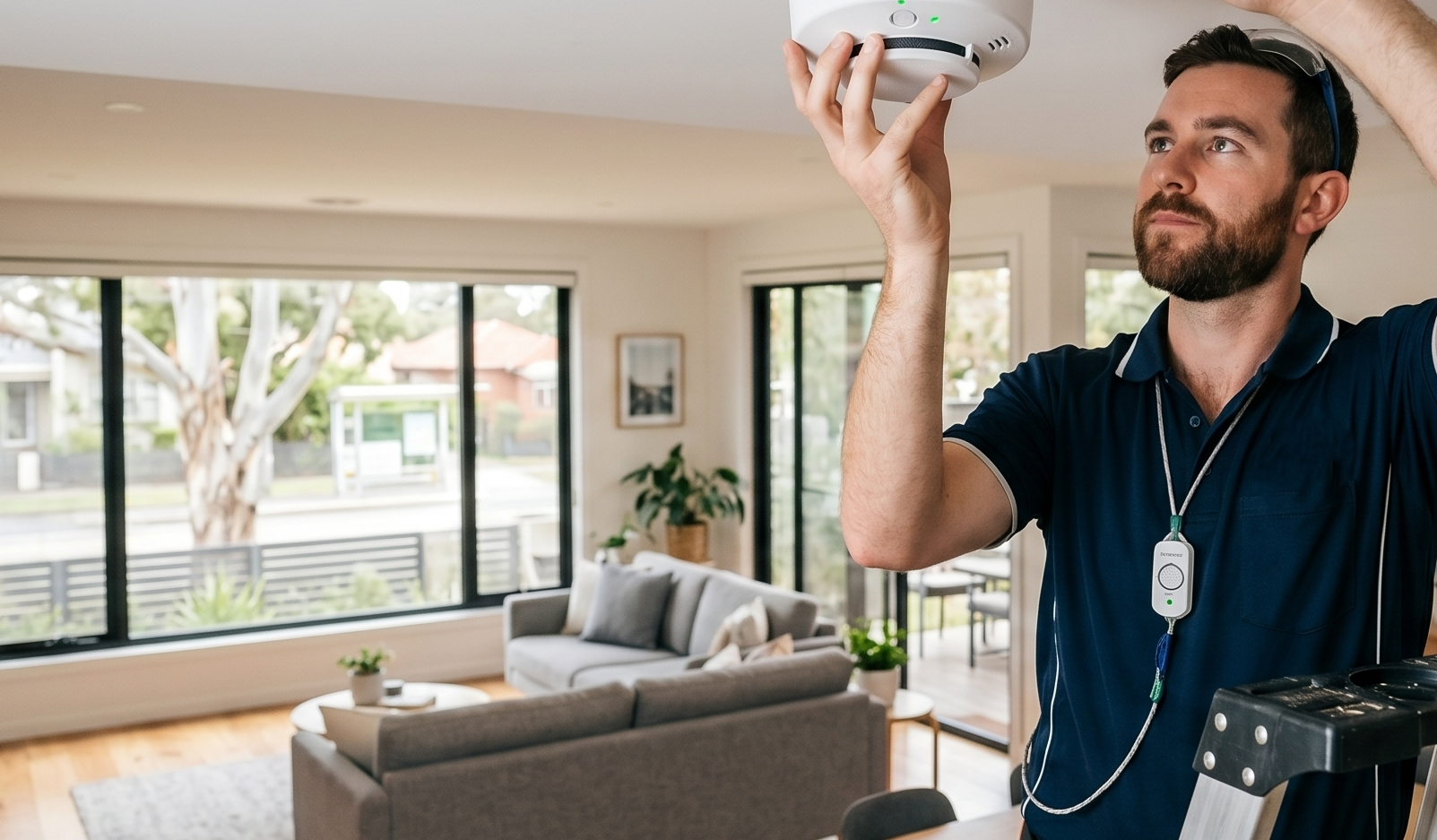
A working smoke alarm is the single most important piece of safety equipment in any Melbourne home, yet it's often the one thing people forget about until it starts chirping at 3am. Smoke alarm installation in Melbourne is governed by strict Victorian rules, and the regulations have tightened noticeably over the past few years.
After more than a decade installing alarms across Melbourne's inner north west, we've put together a straight-up guide covering what's required, where alarms should go, and what you can expect to pay this year.
Victorian Smoke Alarm Regulations You Need to Know
Every residential property in Victoria must have working smoke alarms installed and maintained to current standards. The rules differ slightly depending on whether your home is a rental, owner-occupied, or newly built, and we walk landlords through this distinction on most callouts.
The key requirements under Victorian smoke alarm regulations and the Building Code of Australia include:
Smoke alarms must be installed on every storey of the home
Alarms must be located within 1.5 metres of every bedroom door
Fire Rescue Victoria recommends alarms inside every bedroom as well
All alarms must comply with Australian Standard AS 3786
Rental properties require annual smoke alarm compliance checks under the latest Residential Tenancies regulations
For homes built or substantially renovated after May 2014, alarms must be hardwired with battery backup. Older homes can use 10-year sealed lithium battery alarms unless renovation work triggers the hardwired requirement, which catches a lot of homeowners by surprise when they're partway through a kitchen reno.
Hardwired Smoke Detectors vs Battery-Powered Alarms
This is the question we get asked most often during a quote. Both options are legal in existing Victorian homes, but they behave very differently in a real fire.
Hardwired smoke detectors run off mains power with a battery backup, so you never have to swap batteries and the unit keeps working through a blackout. They're required for new builds and major renovations, and they're the only option when you want to interconnect multiple alarms reliably.
Battery-only alarms with sealed 10-year lithium batteries are cheaper to install and suit existing homes where running cables through the ceiling isn't practical. They're a perfectly compliant choice for older properties, provided they meet AS 3786.
In our experience, most Pascoe Vale and Brunswick clients with weatherboard ceilings find a hybrid approach works best: hardwired in key locations and quality lithium units where cabling would mean cutting up plaster unnecessarily.
Why Interconnected Smoke Alarms Save Lives
Interconnected smoke alarms are wired or wirelessly linked so that when one detects smoke, every alarm in the house sounds at once. This matters enormously in larger homes or two-storey properties where a fire in the garage might never wake someone sleeping at the opposite end of the house.
Wireless interconnection has come a long way and now offers a practical option for retrofitting older homes without tearing into the ceiling cavity. We typically recommend interconnected alarms whenever a switchboard upgrade is already on the cards, since the same visit can handle the hardwiring efficiently.
For families with young kids, older relatives, or anyone with hearing difficulties, interconnected systems are well worth the modest upcharge.
Smoke Alarm Installation Cost in Melbourne
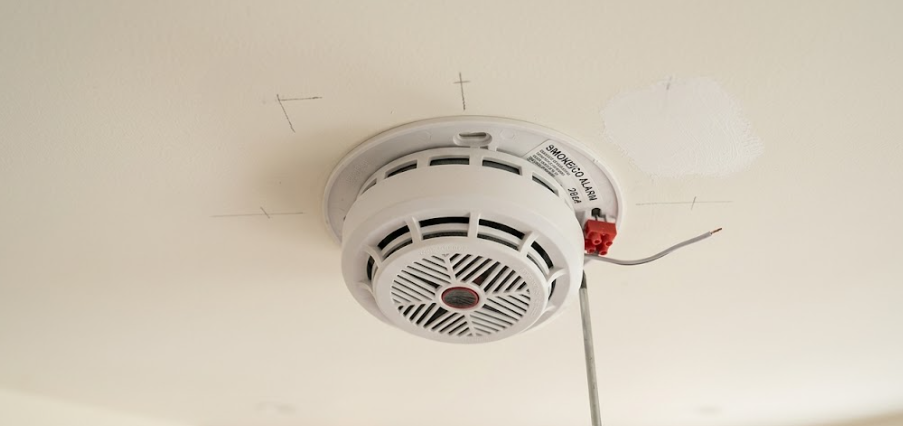
Pricing depends on the type of alarm, how many you need, and whether your home requires hardwiring or wireless interconnection. The single biggest cost driver we see is ceiling access, not the alarm itself.
A rough guide for 2026:
Battery-powered 10-year lithium alarm (supply and install): $80 to $150 per unit
Hardwired photoelectric alarm: $150 to $300 per unit
Wireless interconnected alarm system: $200 to $400 per unit
Full house compliance package (3 to 5 alarms): $600 to $1,500
Annual electrical safety inspection and compliance certificate: $99 to $180
Older Melbourne homes without existing cabling, or properties where access through the roof space is tight, sit at the higher end of these ranges. Bundling the install with other electrical work in the same visit is the simplest way to bring the per-unit price down.
Where Smoke Alarms Should Be Placed
Correct placement is just as important as the alarm itself. Under current switchboard upgrade regulations and BCA requirements, alarms must sit on the ceiling at least 300mm from any wall or light fitting, and away from areas where steam, fumes, or dust could trigger false alarms.
Common placement mistakes we fix on the regular include alarms installed too close to bathrooms, mounted above kitchen stoves, or sitting in dead-air corners where smoke takes too long to reach them. A photoelectric alarm tucked into the wrong spot is no safer than no alarm at all, and we see it often enough in homes where a previous owner did a quick DIY job before selling.

Book Your Smoke Alarm Installation with Melbourne Wiring Services
Whether you need a single alarm replaced, a full interconnected system fitted, or an annual compliance check for a rental property, our licensed team handles every job to Victorian standards. We're fully insured, backed by a lifetime labour warranty, and committed to clear upfront pricing.Get in touch with Melbourne Wiring Services on 1300 746 979 for an obligation-free quote on your smoke alarm installation anywhere across Melbourne.